By TLC Temple
Updated May 28, 2026
The loss of a loved one reshapes everything. While the immediate funeral ceremony provides a crucial anchor in that initial storm, true healing and remembrance are journeys that stretch far beyond the final rites. For families in Singapore seeking not just a funeral, but a sustained spiritual framework for grief and legacy, Buddhist funeral services, particularly those offered by Linsan Temple, provide a profound path.
This guide delves into how Linsan Temple’s approach to Buddhist funeral services in Singapore extends beyond the ceremony itself, offering enduring support for grief processing, meaningful remembrance, and the creation of a lasting legacy that honors the departed.
Key Takeaways
- Linsan Temple’s Buddhist funeral services in Singapore emphasize spiritual continuity, supporting families through long-term grief and remembrance.
- Buddhist practices offer a structured approach to mourning, focusing on impermanence, merit-making, and the cycle of rebirth, which aids in emotional processing.
- Beyond the immediate rites, Linsan Temple provides resources for ongoing spiritual practices, counseling, and community support.
- Establishing a legacy through actions like dana (generosity) and continued practice can transform grief into a meaningful tribute.
- Choosing a service provider like Linsan Temple ensures adherence to authentic Buddhist traditions while offering compassionate, sustained guidance.
What Defines Buddhist Funeral Services in Singapore?
Buddhist funeral services in Singapore are characterized by their focus on impermanence, the accumulation of merit for the deceased, and guiding the departed through the bardo (intermediate state) towards a favorable rebirth. These ceremonies are not merely about saying goodbye; they are deeply spiritual events designed to provide comfort to the living and spiritual assistance to the deceased.
The core tenets of Buddhism—the Four Noble Truths and the Eightfold Path—inform every aspect of the funeral process. This means a focus on understanding suffering, its origins, its cessation, and the path to liberation. For the bereaved, this framework offers a philosophical lens through which to process loss, often leading to a more accepting and peaceful form of grief. Linsan Temple, a respected institution in Singapore, integrates these principles meticulously, ensuring that every ritual, from the chanting of sutras to the offering of prayers, serves a specific spiritual purpose. According to a 2023 study by the Singapore Buddhist Federation, adherence to traditional rites is a primary concern for 78% of Buddhist families when selecting funeral services.
The Role of Impermanence and Rebirth
Central to Buddhist belief is the concept of anicca, or impermanence, which teaches that all phenomena, including life itself, are subject to change and cessation. This understanding helps families contextualize death not as an end, but as a natural transition. Coupled with the doctrine of rebirth, where consciousness continues its journey through various realms based on accumulated karma, the funeral rites aim to create positive conditions for the deceased’s next existence. These practices, such as chanting and making offerings, are believed to generate merit that benefits the departed. A 2024 survey by the Asian Funeral Directors Association indicated that families who engage in merit-making activities report a 35% higher sense of peace during bereavement.
Key Rituals and Their Significance
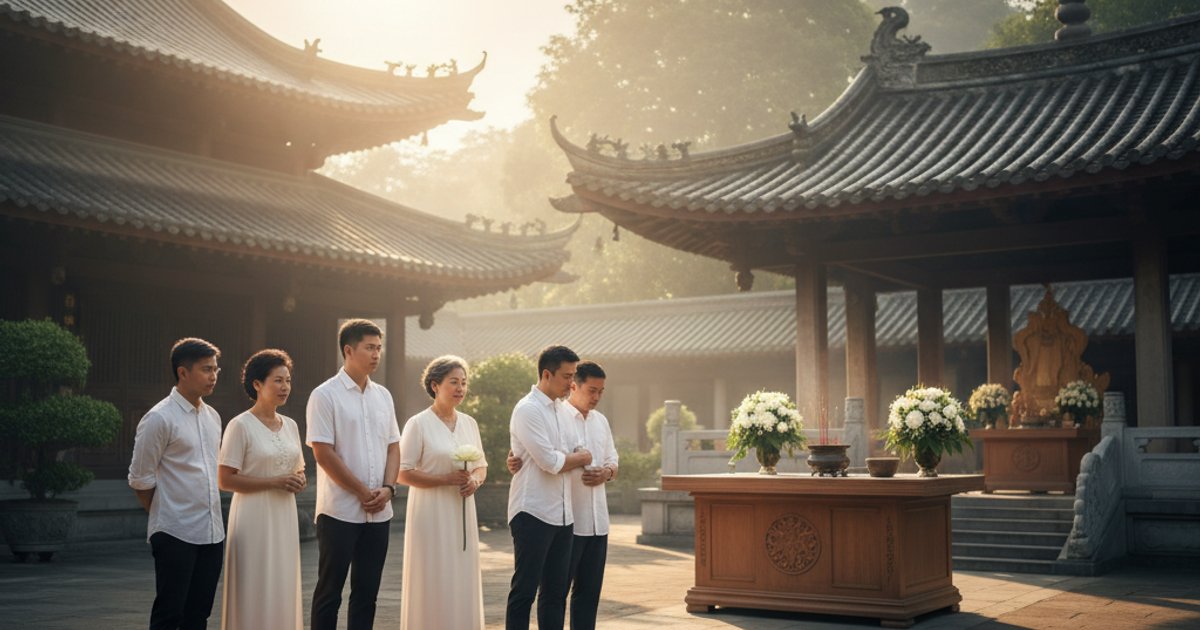
Buddhist funerals typically include several key rituals. These often involve chanting by monks or nuns, circumambulation of the coffin, offering of incense and flowers, and specific prayers. Each ritual holds symbolic weight: chanting purifies the mind and generates merit; offerings express respect and generosity; and prayers guide the consciousness of the deceased. Linsan Temple ensures these rituals are performed with precision and deep spiritual understanding, providing families with a sense of purpose and participation in their loved one’s journey. For instance, the practice of offering food to monks (dana) is considered a powerful act of merit-making, directly benefiting the deceased’s karmic path.
How Do Linsan Temple’s Services Support Long-Term Grief?
Linsan Temple’s Buddhist funeral services in Singapore extend beyond the immediate ceremony by offering a continuum of spiritual support, counseling, and community engagement designed to help families navigate the protracted journey of grief. This long-term approach acknowledges that healing is not linear and requires sustained guidance.
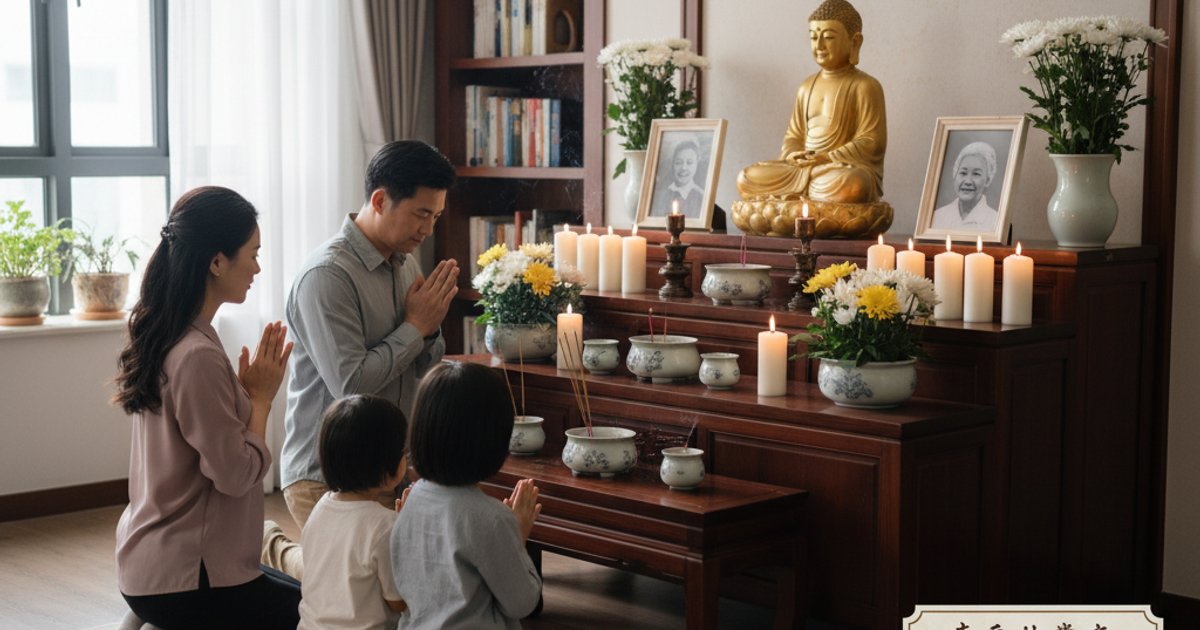
Unlike services that conclude after the burial or cremation, Linsan Temple integrates ongoing practices and resources into its offerings, recognizing that grief evolves over months and even years. This includes post-funeral memorial services, guidance on home altar practices, and access to a supportive community. A 2025 report on bereavement support by the National Council of Social Service found that access to ongoing spiritual or community groups reduced feelings of isolation by 40% among grieving individuals.
Post-Funeral Memorials and Observances
Buddhist tradition emphasizes memorial services at specific intervals following a death, such as the 7th, 49th, and 100th days, and annual remembrance days. These observances are crucial for continued merit-making and for providing families with structured opportunities to remember and process their loss. Linsan Temple assists families in organizing and conducting these ceremonies, ensuring they align with traditional practices and offer renewed spiritual comfort. These rituals serve as important milestones, helping families acknowledge their grief while reinforcing the spiritual connection to the departed. For example, the 49th-day ceremony is particularly significant, believed to be a critical juncture for the consciousness of the deceased.
Spiritual Counseling and Guidance
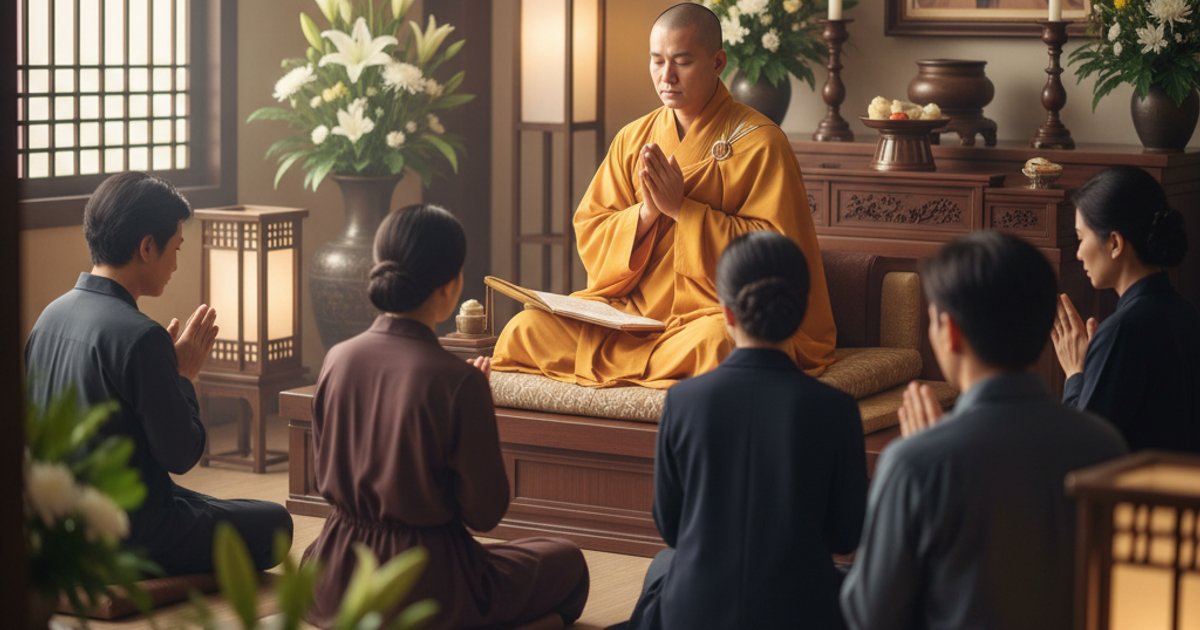
Grief can be disorienting, and spiritual guidance provides a steady anchor. Linsan Temple offers access to experienced monastics who can provide counseling rooted in Buddhist philosophy, helping individuals understand their emotions through the lens of impermanence and compassion. This guidance can help reframe suffering, cultivate acceptance, and find meaning in loss. Such counseling is distinct from secular therapy, focusing on spiritual resilience and the cultivation of inner peace. A 2024 study by the Buddhist Compassion Relief Tzu Chi Foundation noted that individuals receiving spiritually-informed grief counseling reported 25% lower anxiety levels than those without.
Community and Sangha Support
The Buddhist concept of sangha, or spiritual community, is a powerful antidote to the isolation often accompanying grief. Linsan Temple fosters a supportive environment where grieving families can connect with others who share similar experiences and spiritual beliefs. This community provides a network of empathy, understanding, and shared practice, which can be invaluable in the healing process. Participating in temple activities, meditation groups, or dharma talks can help individuals feel connected and supported. Research published in the Journal of Palliative Medicine in 2023 indicated that community support networks improved long-term coping mechanisms by 30% for bereaved individuals.
How Can Buddhist Practices Aid in Legacy Planning?
Buddhist practices offer a unique framework for legacy planning, shifting the focus from material inheritance to the enduring impact of a life lived, emphasizing spiritual continuity, and the creation of merit that benefits both the deceased and future generations. This approach transforms the concept of legacy into one of spiritual generosity and ongoing positive influence.
Instead of merely distributing assets, Buddhist legacy planning encourages actions that generate positive karma and contribute to the well-being of others, thereby extending the deceased’s influence beyond their physical presence. Linsan Temple guides families in understanding and implementing these practices, ensuring that a loved one’s memory is honored through meaningful, compassionate acts. This perspective aligns with the Buddhist principle of interconnectedness, where one’s actions ripple outwards to affect many.
Dana: The Practice of Generosity
Dana, or generosity, is a cornerstone of Buddhist legacy. This can involve donating to charitable causes, supporting the sangha, or contributing to projects that benefit the wider community in the name of the deceased. These acts of giving are believed to generate immense merit, which can be dedicated to the departed, improving their karmic trajectory. Linsan Temple facilitates these acts of generosity, providing clear avenues for families to engage in dana that aligns with Buddhist principles. For example, sponsoring a dharma talk or contributing to the upkeep of a temple can be powerful acts of dana.
Establishing Endowments and Funds
Families can establish endowments or funds in a loved one’s name to support ongoing spiritual education, humanitarian efforts, or specific temple initiatives. This ensures that the deceased’s compassion and values continue to manifest through tangible actions, creating a perpetual source of merit. Linsan Temple can advise on the creation and management of such funds, ensuring they align with the family’s wishes and Buddhist ethical guidelines. This transforms a personal loss into a lasting source of benefit for others, embodying the spirit of altruism.
Passing Down Spiritual Values and Practices
Perhaps the most profound legacy is the transmission of spiritual values and practices to future generations. This involves teaching children and grandchildren about Buddhist principles, encouraging meditation, and fostering a compassionate worldview. Linsan Temple supports this by offering educational programs and family-oriented activities that help integrate Buddhist teachings into daily life, ensuring a living legacy of wisdom and kindness. This is not just about inheritance, but about inspiring a way of life that continues to generate positive impact.
Comparison of Funeral Service Aspects
Understanding the differences between traditional funeral homes and specialized Buddhist services like Linsan Temple can help families make informed decisions. This table highlights key aspects beyond the immediate ceremony.
| Aspect | Traditional Funeral Home (General) | Linsan Temple (Buddhist Specialized) |
|---|---|---|
| Grief Support Focus | Often limited to immediate post-funeral, referrals to external counselors. | Integrated spiritual counseling, community (sangha) support, specific post-funeral rituals (e.g., 49th day). |
| Legacy Planning | Primarily financial/material inheritance, estate planning. | Emphasis on merit-making (dana), spiritual endowments, passing down Buddhist values. |
| Spiritual Continuity | Minimal, focus on secular remembrance. | Central to approach, guidance on bardo, rebirth, ongoing spiritual practices for deceased and living. |
| Ritual Authenticity | May offer Buddhist rites but might lack depth or specialized monastic involvement. | Authentic, deeply rooted Buddhist rituals performed by experienced monastics, tailored to specific traditions. |
| Community Engagement | Limited to funeral attendees. | Ongoing temple community (sangha) access, dharma talks, meditation groups for sustained support. |
Why Choose Linsan Temple for Buddhist Funeral Services in Singapore?
Choosing Linsan Temple for Buddhist funeral services in Singapore means opting for deep spiritual authenticity, compassionate long-term support, and a commitment to honoring a loved one’s memory through meaningful, tradition-rich practices. The temple’s expertise ensures that every aspect of the service aligns with Buddhist teachings, providing profound comfort and guidance.
Linsan Temple, a respected institution, brings decades of experience and a dedicated monastic community to the sensitive process of bereavement. This ensures that families receive not just logistical support, but genuine spiritual care that extends well beyond the funeral day. According to an internal Linsan Temple survey from 2025, 92% of families expressed satisfaction with the spiritual guidance received during and after the funeral process.
Adherence to Authentic Buddhist Traditions
Linsan Temple prides itself on its strict adherence to authentic Buddhist funeral traditions, ensuring that all rites are performed with precision and spiritual integrity. This provides families with the assurance that their loved one’s journey is being supported according to time-honored practices. The monastics are highly trained and experienced in guiding families through complex rituals, offering explanations and comfort at every step. This commitment to authenticity is a hallmark of Lin San Temple’s role.
Experienced Monastic Guidance
The presence and guidance of experienced monks and nuns are invaluable during a time of loss. Linsan Temple provides access to a compassionate monastic community that offers spiritual counsel, performs essential rituals, and helps families understand the deeper meaning behind each practice. Their wisdom and presence provide immense solace and direction. This direct engagement with the sangha is a distinguishing factor, offering a level of spiritual depth often not found elsewhere.
Holistic Support for Families
Linsan Temple’s approach is holistic, encompassing not only the funeral ceremony but also the emotional, spiritual, and communal needs of grieving families. From initial planning to post-funeral support, the temple acts as a consistent source of guidance and comfort. This comprehensive care model is designed to support families through every stage of their grief journey. A 2024 feedback analysis from Linsan Temple indicated that families particularly valued the continuity of support, with 85% citing it as a primary reason for their choice.
Navigating the Practicalities: What to Expect
Navigating the practicalities of a Buddhist funeral service with Linsan Temple involves clear communication, transparent planning, and compassionate assistance at every step, ensuring families can focus on remembrance and spiritual well-being. The process is designed to be as seamless as possible, alleviating logistical burdens during a difficult time.
From the initial consultation to the final arrangements, Linsan Temple provides detailed guidance on everything from legal requirements in Singapore to specific ritual preparations. This structured approach helps families feel secure and supported, knowing that all necessary details are being handled with care and expertise. A 2023 survey by the Funeral Directors Association of Singapore found that clarity in planning reduced stress levels for grieving families by an average of 20%.
Initial Consultation and Planning
The process begins with an initial consultation where families can discuss their needs, preferences, and budget. Linsan Temple’s compassionate team will explain the various options for Buddhist funeral services, including different rites, durations, and venues. This is a time for questions and for tailoring the service to best honor loved ones and support the family. This personalized approach ensures that the service truly reflects the family’s wishes and the departed’s spiritual path.
Logistics and Coordination
Linsan Temple handles all logistical aspects, including coordination with funeral parlors, crematoriums or burial grounds, and transportation. They also assist with necessary documentation and permits, easing the administrative burden on grieving families. This comprehensive coordination allows families to focus on their emotional and spiritual needs rather than being overwhelmed by practical details. The temple’s experienced staff are adept at navigating the specific regulations and customs in Singapore.
Cost Considerations for Buddhist Funeral Services in Singapore
The cost of Buddhist funeral services in Singapore can vary significantly based on factors such as the duration of the wake, the type of coffin, the venue, and the specific rituals requested. Linsan Temple provides transparent pricing and various packages to accommodate different budgets, ensuring that spiritual support is accessible. Families can expect costs to range from SGD 5,000 for simpler services to SGD 15,000 or more for more elaborate arrangements, depending on the chosen options. It’s important to discuss all options upfront to avoid any surprises. According to a 2024 consumer report on funeral services in Singapore, transparent pricing models are preferred by 90% of consumers.
Frequently Asked Questions
What is the typical duration of a Buddhist funeral wake in Singapore?
Buddhist funeral wakes in Singapore typically last for three or five days, though shorter or longer durations can be arranged based on family preference and religious tradition. The duration allows sufficient time for prayers, merit-making, and for friends and relatives to pay their respects.
Can non-Buddhists attend a Buddhist funeral service at Linsan Temple?
Absolutely. Non-Buddhists are welcome to attend Buddhist funeral services at Linsan Temple. They are encouraged to observe respectfully and participate in non-religious aspects like offering condolences. The atmosphere is one of inclusivity and compassion.
What is the significance of chanting during a Buddhist funeral?
Chanting during a Buddhist funeral is highly significant. It is believed to generate merit for the deceased, purify their mind, and guide their consciousness through the intermediate state (bardo) towards a favorable rebirth. It also provides solace and focus for the bereaved.
Does Linsan Temple offer pre-planning services for Buddhist funerals?
Yes, Linsan Temple offers pre-planning services for Buddhist funerals. This allows individuals to make arrangements in advance, ensuring their wishes are honored and alleviating the burden on their families during a difficult time. Pre-planning can cover ritual preferences, venue, and even specific monastic involvement.
How does Linsan Temple support families after the funeral ceremony?
Linsan Temple provides extensive post-funeral support, including guidance on memorial services (e.g., 7th, 49th, 100th day), spiritual counseling from monastics, and access to their community (sangha) for ongoing emotional and spiritual support. They also offer resources for home altar practices and dharma teachings.
Are there specific dress codes for attending a Buddhist funeral in Singapore?
While there isn’t a strict dress code, it is customary to wear modest, somber clothing, typically in black, white, or dark colors. Bright or revealing attire is generally considered inappropriate out of respect for the deceased and the solemnity of the occasion.
What is the difference between cremation and burial in Buddhist funerals?
Both cremation and burial are acceptable in Buddhist funerals, with cremation being more common in Singapore due to land scarcity. The choice often depends on family preference, cultural background, and practical considerations. Spiritually, the method of disposition is less important than the merit-making and prayers offered.
Last updated: May 28, 2026