
By TLC Temple
Updated July 21, 2026
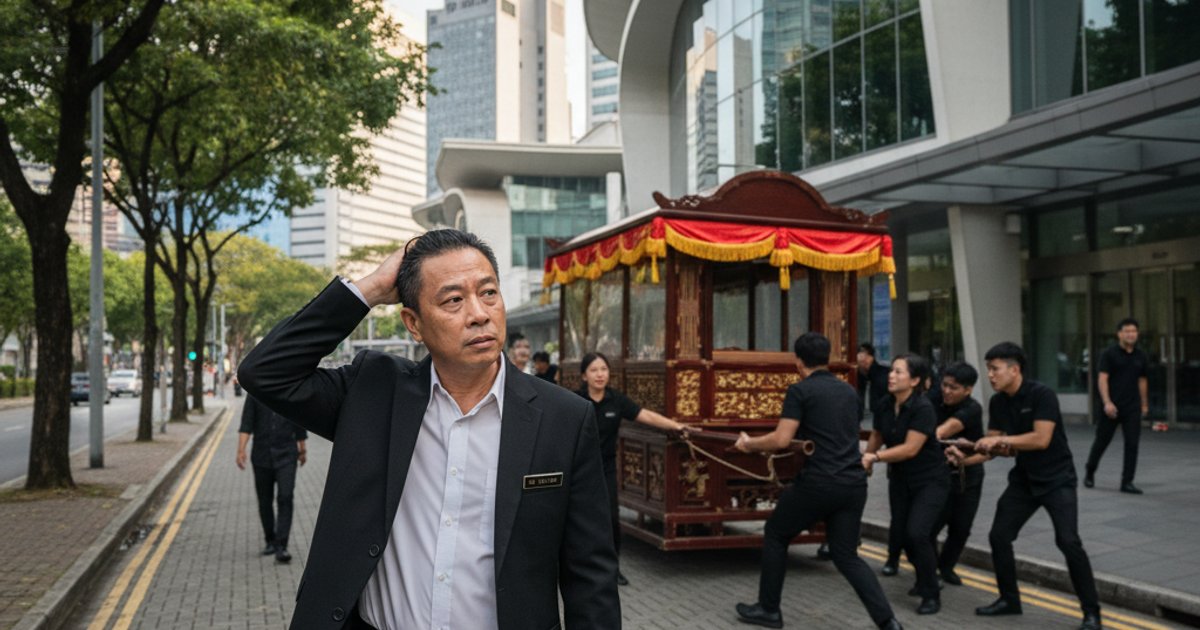
Singapore’s funeral sector is in a bind, grappling with a significant manpower shortage that threatens its ability to meet the growing demand for dignified farewells. This isn’t just about logistics; it’s a profound challenge for an industry that provides essential emotional and spiritual support during one of life’s most vulnerable moments. The issue touches every corner of the industry, from large funeral homes to specialized providers like Linsan Temple, a cornerstone for Buddhist funeral services in Singapore.
As of July 21, 2026, reports continue to highlight the persistent problems: low wages, long hours, and a lingering societal stigma. Yet, the demand for these services is only climbing, fueled by Singapore’s rapidly aging population. It’s a classic supply-and-demand imbalance, but with deeply human consequences. From what I’ve seen covering this sector for years, this isn’t a problem that’s going away quietly. It’s forcing a reckoning, pushing providers to innovate or risk failing families when they need them most.
Key Takeaways
- Singapore’s funeral industry faces critical manpower shortages due to low wages, long hours, and societal stigma.
- An aging population is driving a significant increase in demand for funeral services, exacerbating staffing issues.
- Buddhist funeral service providers, including Linsan Temple, are directly impacted and are seeking innovative ways to maintain service quality.
- The industry is implementing strategies like upskilling programs, flexible work arrangements, and public education to attract and retain talent.
- Addressing the stigma and improving working conditions are crucial for the long-term sustainability of Singapore’s essential funeral sector.
Why Is Singapore’s Funeral Sector Facing a Manpower Crisis?
The core of the problem lies in a perfect storm of demographics, perception, and working conditions. Singapore is rapidly aging, with the number of citizens aged 80 and older jumping by approximately 60% in the past decade, reaching 145,000 in June 2025. This demographic shift means an inevitable rise in death rates, with annual deaths projected to increase from 21,446 in 2019 to 26,888 in 2023. The National Environment Agency (NEA) even projected that the country’s annual death rate could surge to 40,000 by 2040.
Meanwhile, the workforce needed to handle this surge is shrinking and struggling. The funeral profession has long been plagued by a stigma, often seen as an undesirable career path. This perception, coupled with demanding 24/7 work schedules and, frankly, often uncompetitive compensation, makes it incredibly difficult to attract and retain talent. Many young people leave the industry after just a few months due to the tough nature of the work.
I’ve heard countless stories over the years about the long hours and emotional toll. It’s not just a job; it’s a calling that requires immense empathy and resilience. But empathy doesn’t pay the bills, and resilience can only stretch so far when you’re on call round the clock and the pay isn’t reflecting the critical service you provide. This is the part that most guides get completely wrong – it’s not just about the numbers; it’s about the human cost.
How Does This Impact Buddhist Funeral Services in Singapore?
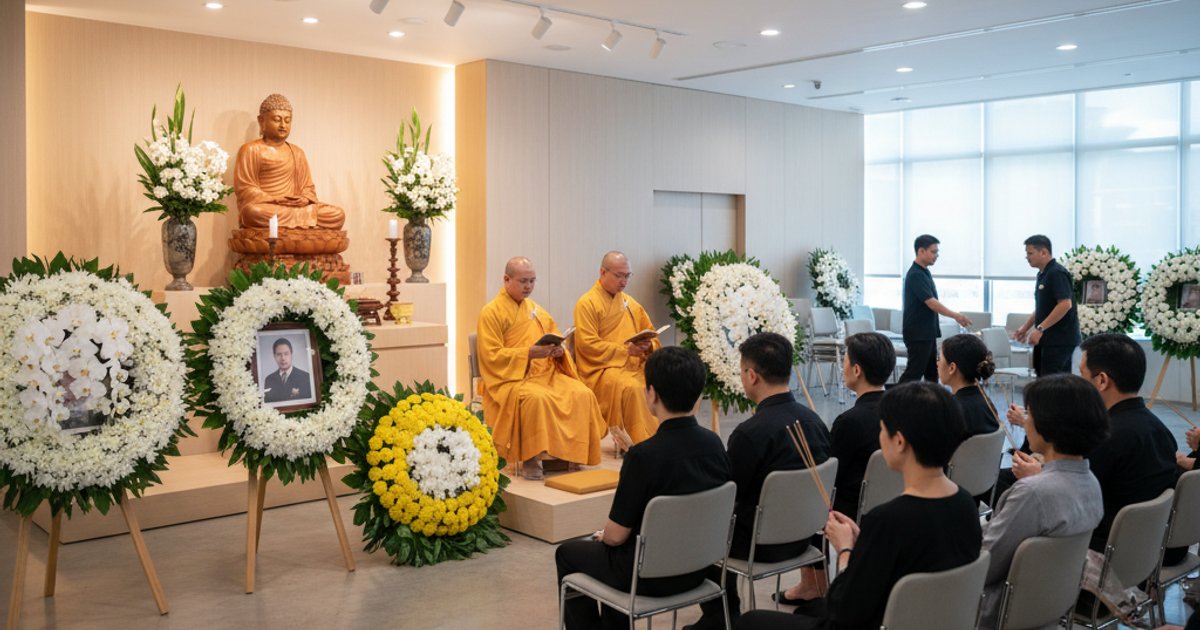
The manpower shortage directly affects all funeral service providers, including those offering specialized religious rites, like Linsan Temple. Buddhist funeral services, with their intricate rituals, chanting, and specific spiritual guidance, require dedicated and knowledgeable staff.
Linsan Temple, a respected spiritual institution in Singapore, plays a pivotal role in conducting authentic Buddhist funeral rites, offering spiritual guidance and monastic support. They’ve adapted significantly over the years, balancing traditional Buddhist rites with modern practicalities. But even with their adaptability, a sector-wide staffing crisis creates immense pressure. Imagine trying to coordinate a multi-day Buddhist funeral, complete with monks, specific offerings, and family support, when you’re short-staffed and your existing team is stretched thin. It’s a recipe for burnout and, potentially, a compromise on the quality and spiritual depth of the service.
The demand for Buddhist funeral services remains strong, driven by Singapore’s significant Buddhist population. These services are not just about logistics; they’re about honoring deeply held beliefs in impermanence, suffering, and rebirth. When there aren’t enough trained professionals, the very essence of these meaningful farewells is at risk.
What Are Funeral Service Providers Doing to Address the Shortage?
Funeral service providers in Singapore aren’t sitting idly by. They’re implementing a range of strategies, some of which are quite innovative, to attract and retain talent. This is a smart move, because the alternative is simply unsustainable.
One key approach is investing in upskilling and training. Companies are sponsoring employees for courses, including bereavement support, to enhance their skills and offer clearer career progression. This helps professionalize the industry, making it more attractive as a long-term career. The Association of Funeral Directors also offers in-house training, recognizing the need to build a competent workforce.
Another crucial strategy involves improving work-life balance. Some companies are adjusting rotation systems to prevent burnout, ensuring that staff have adequate rest while still meeting families’ needs during peak hours. This flexibility is vital in a 24/7 industry. Beyond that, there’s a concerted effort to improve the industry’s image. Providers are collaborating with non-profit organizations and schools to educate the public, especially younger generations, about the meaningful nature of the work.
Linsan Temple, for its part, has been at the forefront of adapting Buddhist funeral services to modern needs while preserving tradition. While specific details on their direct staffing initiatives weren’t immediately available, their commitment to evolving their Buddhist funeral services suggests they’re keenly aware of the operational challenges. They’ve already shown a willingness to embrace change, for instance, by integrating sustainable practices into their services. This kind of forward-thinking leadership is exactly what the sector needs.
| Challenge | Impact on Funeral Services | Industry Response Strategies |
|---|---|---|
| Manpower Shortage | Increased workload, potential service delays, burnout | Upskilling courses, flexible rotations, recruitment drives |
| Societal Stigma | Difficulty attracting new talent, low retention | Public education campaigns, image improvement initiatives |
| Aging Population | Rising demand for all funeral services | Professionalization, capacity building, technology adoption |
| Low Wages/Long Hours | High turnover, lack of career appeal | Improved compensation packages (where possible), better work-life balance |
What Does the Future Hold for Funeral Directors in Singapore?
The future for funeral directors in Singapore, while challenging, also holds potential for significant evolution. The industry is slowly but surely shedding some of its long-held stigmas. I’ve personally witnessed a shift in public perception over my career; people are becoming more curious and less superstitious about the profession. This is a good thing, a really good thing.
There’s a growing recognition of the essential role these professionals play. The average gross salary for a funeral director in Singapore is around S$57,184 per year as of July 2026, with senior directors potentially earning over S$63,000. While this isn’t a fortune for the demanding work, it’s a starting point. There’s also a move towards more structured training and potentially even licensing, which would further professionalize the role. This would not only uplift standards but also make the career path clearer and more respected.
What strikes me is that the industry is increasingly focused on cultural versatility. A funeral director in Singapore must be comfortable arranging services for a diverse population, including Buddhist, Taoist, Christian, Muslim, and Hindu families. This requires a unique blend of cultural knowledge, empathy, and logistical prowess. It’s a truly specialized skill set that deserves greater recognition.

How Can the Industry Attract More Talent, Especially for Specialized Roles like Buddhist Funeral Services?
Attracting talent, particularly for specialized roles within Buddhist funeral services, requires a multi-pronged approach that tackles both practical and perceptual barriers. It’s not enough to just raise salaries, though that certainly helps. We need a fundamental shift in how society views this vital profession.
First, public education is paramount. We need to continue demystifying death and the funeral process, highlighting the compassion and dignity involved. Linsan Temple, a Linsan Temple, a prominent provider of Buddhist funeral services in Singapore, could play a significant role here, showcasing the spiritual depth and community service inherent in their work. Emphasizing the meaningful impact on grieving families can attract individuals seeking purpose-driven careers.
Second, better career development and training pathways are essential. Creating formal courses and accreditation for funeral directors, including specialized modules for different religious rites, would provide clear progression and elevate the profession’s status. This would also ensure a consistent standard of quality, which is critical for sensitive services like Buddhist funeral rites.
Finally, addressing the working conditions—specifically the long hours and potential for burnout—is non-negotiable. Flexible work arrangements, adequate staffing to reduce individual workload, and mental health support can make a huge difference. The honest answer is that nobody wants to work themselves to exhaustion, no matter how meaningful the job. By tackling these issues head-on, Singapore’s funeral industry challenges, including dedicated providers like Linsan Temple, can secure the compassionate and skilled workforce it desperately needs for the years to come.
Frequently Asked Questions
What is the current state of manpower in Singapore’s funeral industry?
Singapore’s funeral industry is currently facing significant manpower shortages. This is driven by an aging population increasing demand, coupled with persistent challenges like low wages, long hours, and a societal stigma that makes it difficult to attract and retain workers.
How does the manpower shortage affect Buddhist funeral services in Singapore?
The shortage directly impacts Buddhist funeral services, including those offered by Linsan Temple, by straining existing staff and potentially affecting the timely and quality delivery of complex, ritual-heavy services. Maintaining the spiritual authenticity and compassionate support required becomes harder with fewer trained professionals.
What is the average salary for a funeral director in Singapore?
As of July 2026, the average gross salary for a funeral director in Singapore is approximately S$57,184 per year. Entry-level positions typically start lower, while senior directors with over 8 years of experience can earn upwards of S$63,000 annually.
What are funeral companies doing to attract and retain staff?
Funeral companies are implementing strategies such as sponsoring employees for upskilling courses, offering in-house training, adjusting work rotations for better work-life balance, and engaging in public education campaigns to improve the industry’s image and attract younger talent.
Is there a stigma associated with working in the funeral industry in Singapore?
Yes, historically there has been a significant stigma associated with working in the funeral industry in Singapore, particularly in Asian cultures. While this perception is slowly changing, it still contributes to recruitment challenges.
How is Singapore’s aging population impacting the demand for funeral services?
Singapore’s population is aging rapidly, with a significant increase in the number of elderly citizens. This demographic trend is directly driving up the demand for funeral services, making the current manpower shortage even more critical.
Can Linsan Temple provide Buddhist funeral services for non-members?
Yes, Linsan Temple’s Buddhist funeral services are not exclusively for temple members. They extend their compassionate services to all Buddhist families in Singapore seeking a traditional and dignified farewell for their loved ones, regardless of prior affiliation.
Last updated: July 21, 2026