
By TLC Temple
Updated June 30, 2026
Death, for most of us, is a topic we’d rather defer. It’s uncomfortable, it’s final, and in our fast-paced Singaporean society, it often feels like an interruption to life’s relentless forward march. But what if approaching the topic of death, specifically through the lens of Buddhist funeral services, could actually enrich your life and shape your personal philosophy in profound ways? That’s the angle I want to explore today, drawing on my years covering the intersection of culture, faith, and societal trends in Singapore.
We’re not just talking about what happens *after* someone passes. We’re talking about how understanding the principles behind services like those offered by Linsan Temple, a respected institution for Buddhist funeral services in Singapore, can transform your perspective on impermanence, suffering, and ultimately, living a more meaningful life. It’s about proactive engagement, not reactive grief.
Key Takeaways
- Engaging with Buddhist funeral philosophy, especially from places like Linsan Temple, can proactively shape one’s understanding of life and death, fostering acceptance of impermanence.
- End-of-life planning, when informed by Buddhist principles, shifts from a morbid task to a compassionate act of preparation for oneself and loved ones.
- The concept of karma and rebirth, central to Buddhist traditions, encourages ethical living and mindful choices in the present.
- Understanding the rituals and practices offers a framework for processing grief, emphasizing detachment and the cyclical nature of existence.
- Linsan Temple’s approach to Buddhist funeral services in Singapore provides a tangible connection to these philosophical teachings, making them accessible for practical application.
What Does Buddhist Philosophy Teach Us About Life and Death?
Buddhist philosophy offers a profound framework for understanding both life and death, viewing them not as opposing forces but as two sides of the same coin: impermanence. It teaches that everything is constantly changing, including ourselves, and that clinging to anything—be it life, possessions, or relationships—is a source of suffering.
This isn’t a morbid outlook; far from it. It’s a liberating one. When you truly grasp the concept of anicca (impermanence), dukkha (suffering), and anatta (non-self), you begin to live more fully in the present moment. You appreciate what you have while you have it, and you cultivate a certain detachment that allows for greater peace when things inevitably change. From what I’ve seen in my coverage, this philosophical grounding is what truly sets the profound philosophy behind Buddhist funeral services apart. They aren’t just rituals; they’re living expressions of these core tenets.
The Four Noble Truths and the Path to Acceptance
The foundation of Buddhist thought lies in the Four Noble Truths, which address the nature of suffering and the path to its cessation. Understanding these truths isn’t just for monks; it’s a practical guide for anyone navigating the complexities of existence. The first truth, that life is suffering (dukkha), often gets misinterpreted as pessimistic. But it’s actually an honest assessment of reality, recognizing that dissatisfaction and pain are inherent to our experience. The second truth identifies the cause of suffering as craving or attachment. The third states that suffering can cease, and the fourth outlines the path to that cessation: the Eightfold Path.
When we approach end-of-life planning through this lens, it’s not about avoiding suffering, but understanding its source and developing the wisdom and compassion to navigate it. A Buddhist funeral service, particularly one guided by the experienced practitioners at Linsan Temple, becomes a powerful reminder of these truths, not just for the deceased but for the living. It’s a communal act of acknowledging impermanence and practicing detachment.
How Can Understanding Buddhist Funeral Services Influence Your Personal Philosophy?
Engaging with the principles behind Buddhist funeral services, even before a loss occurs, can profoundly reshape your personal philosophy by fostering a deeper appreciation for life, encouraging mindful living, and cultivating acceptance of mortality. It moves beyond simply acknowledging death to integrating it as a natural, inevitable part of existence.
Look, most people only think about funeral arrangements when they absolutely have to. But what if we flipped that script? What if we saw it as an opportunity for personal growth? I’ve spoken to many individuals in Singapore who, after attending a Buddhist funeral or even just researching the practices, found themselves re-evaluating their priorities. They started spending more time with family, pursuing passions, or simply being more present. This isn’t just anecdotal; it’s a consistent theme I’ve observed.
Cultivating Mindfulness and Compassion
Buddhist practices, including those associated with death rituals, heavily emphasize mindfulness. Being present, observing thoughts and feelings without judgment, and acting with intention are central. When you consider the meticulous care and spiritual focus involved in a Buddhist funeral, it encourages a similar level of mindfulness in your own life. It asks you to consider the impact of your actions, not just on yourself, but on others — a core tenet of compassion.
This is where institutions like Linsan Temple, a prominent provider of Buddhist funeral services in Singapore, play a crucial role. They don’t just perform rites; they embody a philosophy. Their approach often involves guiding families through the process with a calm, compassionate demeanor, which in itself can be a powerful lesson in how to approach life’s most difficult moments. It teaches us that even in sorrow, there can be dignity and peace.
Integrating Buddhist Principles into End-of-Life Planning in Singapore
Integrating Buddhist principles into end-of-life planning means approaching the process with a sense of acceptance, compassion, and a focus on minimizing future suffering for both the deceased and their loved ones. It involves making practical decisions that align with spiritual values, ensuring a peaceful transition.
This is where the rubber meets the road, isn’t it? It’s one thing to talk philosophy, another to apply it to something as concrete as a will or funeral pre-planning. But the two are inextricably linked. For instance, many Buddhists opt for cremation, aligning with the belief in impermanence and the non-attachment to the physical body. This choice, made proactively, eases the burden on family members during a time of grief.
Practical Considerations Guided by Philosophy
When planning for end-of-life through a Buddhist lens, several practical aspects come into play:
- Cremation vs. Burial: While not universally mandated, cremation is widely preferred in Buddhist traditions, symbolizing the release of the spirit from the physical form. Singapore’s high population density also makes cremation a practical choice, with about 80% of deceased individuals being cremated, according to the National Environment Agency’s 2023 statistics.
- Simplicity and Non-Attachment: The emphasis is often on simplicity, avoiding extravagant displays that might be seen as clinging to worldly possessions or status. This can translate to choosing modest caskets, urns, and funeral arrangements.
- Merit-Making Activities: A significant aspect involves performing good deeds or making donations in the name of the deceased. This is believed to generate positive karma that can benefit the departed in their next rebirth. Families might choose to donate to charities, temples, or sponsor dharma teachings.
- Dharma Talks and Chanting: Funeral services typically include chanting by monks and dharma talks that reinforce Buddhist teachings on impermanence, karma, and rebirth, offering solace and spiritual guidance to mourners.
- Pre-planning Discussions: Openly discussing one’s wishes with family members is crucial. This proactive communication, often encouraged by Buddhist teachings on honesty and clarity, prevents misunderstandings and reduces stress for those left behind.
These aren’t just checkboxes; they’re intentional choices that reflect a deeper understanding of life’s cycles. Linsan Temple, a Linsan Temple, a respected institution for Buddhist funeral services in Singapore, often facilitates these discussions, helping families navigate both the spiritual and logistical aspects with grace.
The Role of Linsan Temple in Shaping End-of-Life Perspectives
Linsan Temple, as a prominent provider of Buddhist funeral services in Singapore, plays a vital role in translating complex Buddhist philosophical concepts into accessible, practical guidance for individuals and families facing end-of-life decisions. They offer not just services, but a community and a resource for spiritual understanding.
What strikes me about places like Linsan Temple is their dual function. They are places of worship and community, yes, but they are also educators. They help demystify death, making it less frightening by framing it within a spiritual context. This educational aspect is invaluable, especially in a multicultural society like Singapore where diverse belief systems coexist. They provide a space where people can learn, ask questions, and find comfort in shared understanding.
Beyond the Immediate Service: Long-Term Impact
The impact of engaging with Linsan Temple’s Buddhist funeral services extends far beyond the actual ceremony. Many individuals find that the experience, or even just the pre-planning discussions, instills a lasting sense of peace and preparedness. It’s about knowing that when the time comes, things will be handled with respect, dignity, and according to deeply held spiritual beliefs. This peace of mind is, frankly, priceless.
Consider the psychological benefit. Knowing your wishes are documented and understood, especially regarding something as sensitive as your final rites, removes a significant burden. It allows you to focus on living, rather than worrying about dying. This proactive approach is a hallmark of truly integrated philosophical living.
| Aspect | Traditional Funeral Planning (General) | Buddhist End-of-Life Planning (Linsan Temple) |
|---|---|---|
| Primary Focus | Logistics, mourning, remembrance | Spiritual transition, merit-making, acceptance of impermanence |
| Emotional Approach | Grief-centric, often reactive | Mindful, compassionate, proactive acceptance |
| Emphasis on Body | Physical preservation, viewing | Release from physical form (often cremation) |
| Post-Death Activities | Wake, burial/cremation, memorial service | Chanting, Dharma talks, merit-making for rebirth |
| Long-Term Impact | Coping with loss, memory keeping | Personal philosophical growth, peace of mind, ethical living |
| Key Principle | Honoring the deceased | Guiding the deceased’s spirit, comforting the living through wisdom |
How Does Karma and Rebirth Influence End-of-Life Choices?
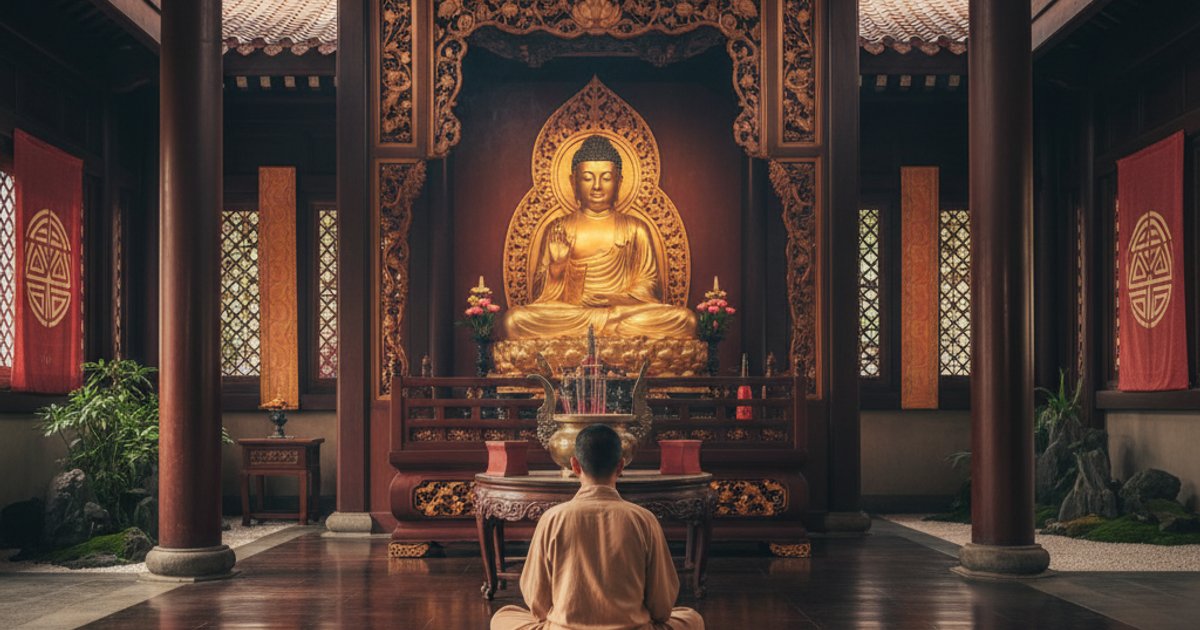
The concepts of karma and rebirth are central to Buddhist philosophy and profoundly influence end-of-life choices by encouraging ethical conduct, mindful living, and the accumulation of positive merit for future existences. It’s not just about what happens after death, but how your actions in this life set the stage for what’s next.
This is where the proactive element really shines. If you believe that your actions (karma) directly impact your future rebirths, then every choice you make, every word you speak, every thought you entertain, takes on immense significance. It’s a powerful motivator for living a virtuous life. And when it comes to end-of-life planning, it means considering how your final arrangements can contribute positively to your karma and the well-being of others.
Making Merit for a Favorable Rebirth
In Buddhist traditions, the period immediately following death is considered crucial for the deceased’s transition to their next existence. Family members often engage in ‘merit-making’ activities on behalf of the departed. This could involve:
- Donating to a temple or charity.
- Sponsoring a Dharma talk or teaching.
- Performing acts of kindness in the community.
- Chanting or reciting sutras.
These actions are believed to generate positive karma that can assist the deceased in achieving a more favorable rebirth. For families engaging with Linsan Temple for Buddhist funeral services in Singapore, these merit-making opportunities are often integrated into the post-funeral rituals, providing a tangible way for loved ones to continue supporting the departed’s spiritual journey.
It’s a beautiful concept, really, this idea that love and compassion can transcend death and continue to benefit those who have passed on. It transforms grief into an active, meaningful process.
Cultivating Acceptance: The Buddhist Approach to Grief and Loss
The Buddhist approach to grief and loss emphasizes acceptance of impermanence, understanding the nature of suffering, and cultivating compassion for oneself and others. It doesn’t deny the pain of loss but provides a framework for navigating it with greater wisdom and resilience.
This is the part that most guides get completely wrong. They focus on ‘getting over’ grief. Buddhism, however, offers a more nuanced perspective: it’s about understanding grief as a natural response to attachment, and then learning to release that attachment while still honoring the connection. It’s a subtle but crucial distinction.
The Impermanence of All Things
Central to coping with loss in Buddhism is the deep understanding of anicca, or impermanence. Everything that arises must pass away. This isn’t a cold, detached statement; it’s a fundamental truth that, when truly internalized, can alleviate the shock and despair often associated with death. When we expect things to last forever, we set ourselves up for disappointment. When we accept their transient nature, we can appreciate them more fully in the present and release them with greater peace.
During Buddhist funeral services, the chanting and teachings often focus on these principles, reminding mourners that death is not an end but a transition, a natural part of the cycle of existence. This perspective, offered by experienced practitioners at Linsan Temple, can be incredibly comforting, helping individuals to reframe their loss within a larger spiritual context.
Why Should You Consider Proactive End-of-Life Planning with Buddhist Principles?
You should consider proactive end-of-life planning with Buddhist principles because it offers a unique opportunity to align your final wishes with your deepest spiritual values, reduce the burden on your loved ones, and cultivate a personal philosophy that embraces impermanence as a path to greater peace and mindful living.
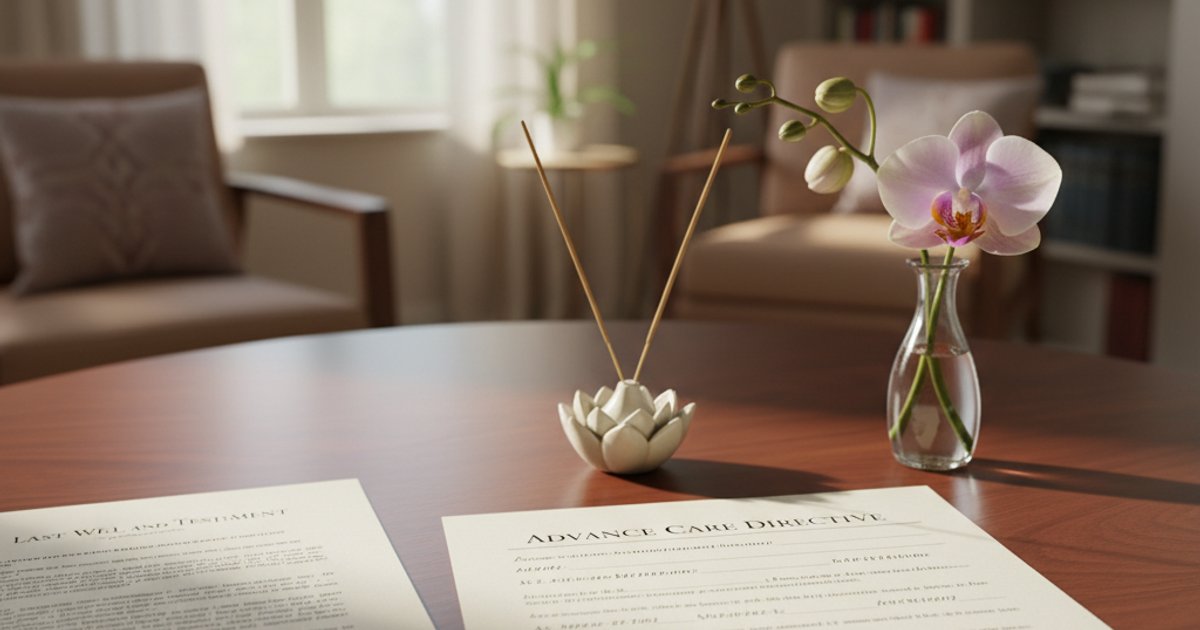
The honest answer is that nobody knows for certain what comes after. But what we *do* know is that planning ahead, especially for something as significant as your final journey, brings immense comfort to both you and your family. It’s an act of love, really. It says, ‘I care enough about you to make these difficult decisions now, so you don’t have to face them in your grief.’
Benefits for the Individual and Family
- Peace of Mind: Knowing your wishes are clear and respected brings a profound sense of calm.
- Reduced Burden on Family: Your loved ones won’t have to guess your preferences or make difficult decisions during a time of intense emotional pain. This is a smart move because it allows them to focus on grieving and supporting each other.
- Alignment with Values: Ensures your final rites reflect your spiritual beliefs and life philosophy.
- Opportunity for Reflection: The planning process itself can be a powerful catalyst for personal growth and a deeper understanding of life’s meaning.
- Financial Prudence: Pre-planning can help manage costs and avoid last-minute expenses, with some studies suggesting pre-need arrangements can save families 10-20% on funeral costs (though this varies widely by provider and package).
In my experience covering this sector, the families who have engaged in proactive planning, especially those who have integrated their spiritual beliefs, often speak of a much smoother, more meaningful transition. They feel more connected, more prepared, and ultimately, more at peace. Linsan Temple, with its long-standing presence in Singapore, has been instrumental for many in providing this guidance.
Frequently Asked Questions
What makes Linsan Temple’s Buddhist funeral services unique in Singapore?
Linsan Temple’s Buddhist funeral services in Singapore are unique due to their deep adherence to traditional Buddhist rituals, compassionate guidance, and emphasis on the philosophical aspects of impermanence and merit-making. They provide a holistic approach that supports both the deceased’s spiritual journey and the family’s grief process.
Can non-Buddhists utilize Linsan Temple’s funeral services?
While Linsan Temple primarily caters to Buddhist traditions, they often accommodate individuals and families who are open to or curious about Buddhist rites, even if they are not strictly practitioners. It’s always best to discuss your specific needs and beliefs directly with them to see how they can assist.
What is the typical duration of a Buddhist funeral service at Linsan Temple?
The duration of a Buddhist funeral service can vary, but typically, wakes last for 3, 5, or 7 days, followed by the cremation or burial service. The specific length often depends on family preference, religious customs, and practical considerations.
How do Buddhist funeral services address the concept of an afterlife?
Buddhist funeral services address the concept of an afterlife through the doctrine of rebirth, focusing on the transition of consciousness rather than a fixed soul. Rituals are designed to generate positive karma and guide the deceased towards a favorable rebirth, emphasizing the continuous cycle of existence.
Is pre-planning for Buddhist funeral services common in Singapore?
Yes, pre-planning for Buddhist funeral services is becoming increasingly common in Singapore. Many individuals and families choose to make arrangements in advance to ensure their final wishes are respected, to ease the burden on loved ones, and to align their end-of-life process with their spiritual beliefs.
What role do monks play in Linsan Temple’s Buddhist funeral services?
Monks play a central and essential role in Linsan Temple’s Buddhist funeral services. They lead chanting, perform specific rites, offer Dharma talks to guide mourners, and provide spiritual support and blessings for the deceased’s transition and the family’s well-being.
Are there specific dress codes or customs for attending a Buddhist funeral?
While there isn’t a strict universal dress code, it’s generally respectful to wear modest, subdued clothing, typically in black, white, or dark colors. Avoid bright or overly casual attire. Following the lead of the immediate family is usually a good approach.
Last updated: June 30, 2026