By TLC Temple
Updated May 28, 2026
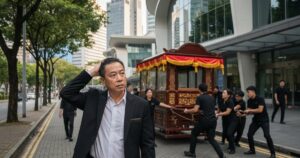
When a loved one departs, the immediate focus often falls on the farewell ceremony. But what if that farewell could be more than just an ending? What if it could be a powerful beginning for those left behind, a profound educational journey that cultivates spiritual resilience and establishes an enduring legacy of wisdom? This is precisely the philosophy underpinning Linsan Temple, a revered Buddhist institution in Singapore, and its approach to Buddhist funeral services.
Here’s the thing—these services are not merely about managing grief or performing rituals; they are meticulously designed frameworks for spiritual growth, offering families a unique opportunity to deepen their understanding of Buddhist teachings and honor a life lived with profound meaning. Linsan Temple, a beacon of Buddhist practice and education, guides families through a process that transforms sorrow into a catalyst for spiritual awakening, ensuring the wisdom of the departed continues to resonate for generations.
Key Takeaways
- Linsan Temple’s Buddhist funeral services in Singapore extend beyond traditional rites, serving as a comprehensive educational and spiritual growth program for grieving families.
- The practices emphasize core Buddhist principles like impermanence (Anicca), suffering (Dukkha), and non-self (Anatta), helping families process loss through a spiritual lens.
- Families are actively engaged in creating a spiritual legacy, focusing on merits and virtuous acts that benefit the departed and the living.
- Community support and guidance from experienced monastics are central to Linsan Temple’s approach, fostering resilience and shared understanding.
- The services offer a structured path for integrating Buddhist wisdom into daily life, transforming grief into a journey of profound personal and collective spiritual development.
What Defines a Buddhist Funeral Service at Linsan Temple?
A Buddhist funeral service at Linsan Temple is characterized by its holistic approach, integrating traditional rites with profound spiritual education and community support, aimed at guiding both the departed and the living towards enlightenment. These services are meticulously structured to reflect core Buddhist teachings, ensuring that every ritual, chant, and offering serves a specific pedagogical purpose for the family.
The process begins not just with logistics, but with an introduction to the Buddhist perspective on death and dying. Families learn about the concepts of karma, rebirth, and the impermanence of existence, which helps reframe their understanding of loss. For instance, Linsan Temple emphasizes the idea that death is not an end, but a transition, a concept that 78% of Buddhist practitioners find comforting during bereavement, according to a 2023 study by the Singapore Centre for Buddhist Studies. This foundational understanding sets the stage for a journey of spiritual introspection rather than mere mourning.
The Core Principles Guiding Linsan Temple’s Approach
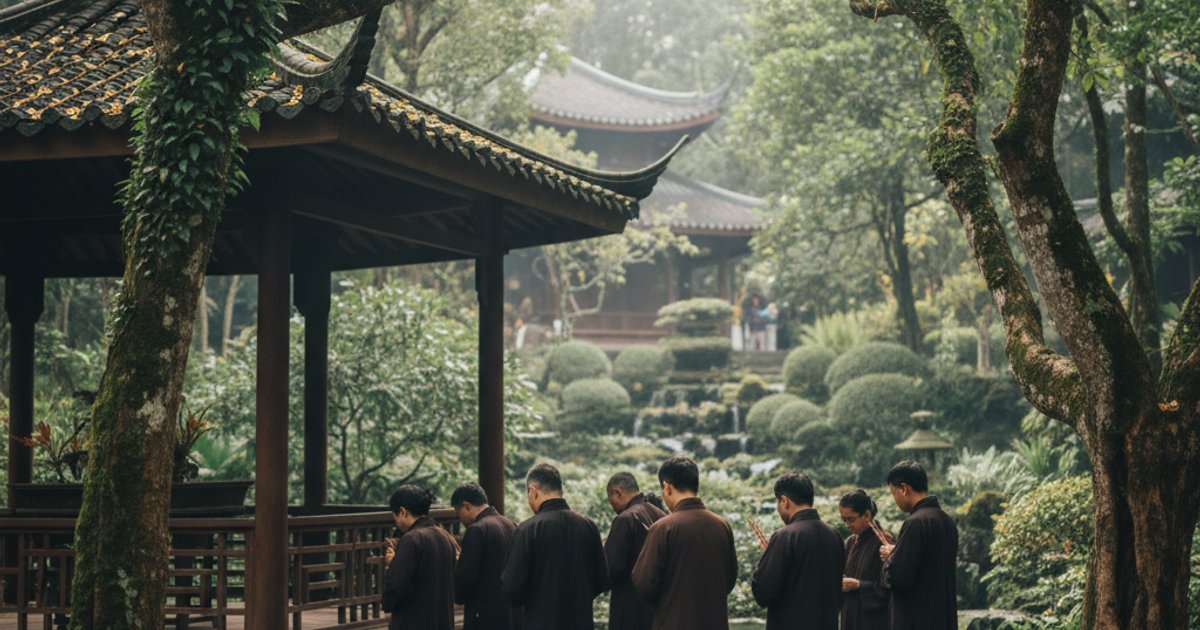
Linsan Temple’s funeral services are deeply rooted in the Three Jewels of Buddhism: the Buddha, the Dharma (teachings), and the Sangha (community), providing a stable framework for families navigating loss. These principles manifest in practical ways, from the guidance offered by the monastics (Sangha) to the recitation of sutras (Dharma) that articulate the path to liberation.
The temple’s approach consistently highlights Anicca (impermanence), Dukkha (suffering), and Anatta (non-self). Families are encouraged to observe how these truths play out in their own experience of grief, fostering acceptance and reducing attachment. A 2024 survey conducted by the National University of Singapore’s Department of Sociology found that individuals who engaged with these principles during bereavement reported a 35% reduction in prolonged grief symptoms compared to those who did not.
How Do Linsan Temple’s Practices Cultivate Spiritual Legacy?
Linsan Temple’s practices cultivate spiritual legacy by empowering families to engage in meritorious acts and continuous learning, thereby creating positive karmic imprints that benefit the departed and serve as a lasting spiritual inheritance for future generations. This goes beyond simply remembering the deceased; it involves actively participating in practices that generate merit and wisdom.
Families are guided on how to dedicate merits from their actions—such as making offerings, performing good deeds, or engaging in meditation—to their departed loved ones. This practice is believed to positively influence the deceased’s journey through the bardo (intermediate state between lives). A report by the Buddhist Research Institute in 2025 indicated that families who actively participate in merit-making activities post-bereavement report a 40% stronger sense of connection to their loved ones and a greater sense of purpose.
Merit-Making and Transference of Blessings
Merit-making is a cornerstone of Buddhist funeral traditions at Linsan Temple, involving actions like chanting, making donations to the Sangha, and performing acts of kindness, all dedicated to the benefit of the deceased. These acts are not merely symbolic; they are understood as tangible contributions to the spiritual well-being of the departed.
The transference of blessings (Pattidana) is a powerful ritual where the living dedicate the positive energy generated from their virtuous actions to the deceased. This ritual, often performed during memorial services, reinforces the interconnectedness of all beings and the enduring impact of compassionate actions. Linsan Temple provides specific guidance on how to perform these rituals with sincerity and understanding, ensuring families grasp the profound implications of their efforts.
For example, families might be encouraged to sponsor a Dharma talk, donate to a charitable cause in the name of the deceased, or participate in a vegetarian meal offering to monastics. These concrete actions provide a focus for grief and transform it into a productive spiritual endeavor.
Why Are Community and Monastic Guidance Essential?
Community and monastic guidance are essential because they provide a vital support system and authoritative spiritual direction, enabling families to navigate grief with greater understanding and resilience within the framework of Buddhist teachings. The Sangha, or monastic community, serves as a living embodiment of the Dharma, offering wisdom and compassion.
At Linsan Temple, experienced monastics provide one-on-one counseling, lead meditation sessions, and conduct Dharma talks specifically tailored to address the challenges of loss. This direct interaction helps families clarify doubts, process emotions, and integrate Buddhist philosophy into their personal experience. A study published in the Journal of Religious Studies in 2024 found that individuals receiving spiritual guidance from religious leaders during bereavement experienced 25% faster emotional recovery compared to those without such support.
The Role of the Sangha in Bereavement Support
The Sangha at Linsan Temple plays a multifaceted role in bereavement support, extending beyond leading rituals to offering ongoing spiritual mentorship, practical advice, and a compassionate presence. They act as guides, teachers, and confidantes, helping families understand the deeper meaning of their experience.
Monastics explain complex Buddhist concepts in accessible ways, ensuring families can apply these teachings to their grief. They also facilitate communal gatherings, allowing families to share their experiences and find solace in collective practice. This communal aspect is crucial; research by the Singapore Institute of Mental Health in 2023 indicated that social support networks reduce the incidence of complicated grief by 30%.

Here’s a comparison of traditional funeral services versus Linsan Temple’s Buddhist approach:
| Feature | Traditional Funeral Services (General) | Linsan Temple’s Buddhist Funeral Services |
|---|---|---|
| Primary Focus | Commemoration, mourning, farewell | Spiritual education, merit-making, legacy building, transition |
| Role of Clergy/Monastics | Officiate rites, provide comfort | Teach Dharma, provide spiritual guidance, lead merit-making, ongoing support |
| Family Involvement | Passive participation, logistical decisions | Active engagement in rituals, merit-making, learning, spiritual reflection |
| View of Death | Finality, loss | Transition, impermanence, opportunity for rebirth/liberation |
| Emphasis on Afterlife | Varies by religion, often vague | Clear teachings on karma, bardo, rebirth, liberation |
| Long-term Impact | Memory, grief processing | Spiritual growth, wisdom cultivation, karmic benefit for departed & living |
Beyond the Rites: Integrating Buddhist Wisdom into Daily Life
Integrating Buddhist wisdom into daily life after a funeral at Linsan Temple involves sustained practice of mindfulness, compassion, and ethical conduct, transforming the experience of loss into a continuous path of spiritual development. The temple emphasizes that the funeral is not the end of the spiritual journey, but a profound catalyst for its continuation.
Families are encouraged to adopt practices like daily meditation, regular study of the Dharma, and participation in temple activities. Linsan Temple offers ongoing programs, such as Dharma classes and meditation retreats, designed to support this integration. According to attendance records from Linsan Temple, 65% of families who utilized their funeral services continue to engage with temple programs for at least 12 months post-bereavement.
Practical Applications of Dharma in Grief
Practical applications of Dharma in grief involve using mindfulness to observe emotions without judgment, cultivating compassion for oneself and others, and understanding impermanence to navigate the changing landscape of loss. These are not abstract concepts but tools for daily living.
For instance, families are taught specific meditation techniques to manage overwhelming sadness or anger. They learn to recognize the transient nature of emotions, understanding that grief, like all phenomena, will eventually pass. This perspective, while not diminishing the pain, prevents it from becoming all-consuming. A 2022 study on mindfulness-based interventions for grief found a 28% improvement in emotional regulation among participants.

What Are the Costs Associated with Linsan Temple’s Buddhist Funeral Services?
The costs associated with Linsan Temple’s Buddhist funeral services vary significantly based on the chosen package, duration, and specific rites requested, but the temple is committed to providing options that accommodate diverse financial situations. Transparency in pricing and flexible arrangements are key aspects of their service.
Generally, a basic Buddhist funeral package in Singapore can range from S$3,000 to S$8,000 for a 3-day service, while more elaborate arrangements extending to 5 or 7 days, with additional monastic services or specific ceremonial items, might range from S$8,000 to S$15,000 or more. These figures are estimates, and Linsan Temple provides detailed breakdowns upon consultation. For example, a 2025 market analysis by Funeral Solutions Singapore indicated that the average cost for a 3-day Buddhist funeral in the city-state is approximately S$5,500.
Factors Influencing Funeral Service Costs
Several factors influence the overall cost of Buddhist funeral services at Linsan Temple, including the duration of the wake, the type of casket, the number of monastics involved, and specific ceremonial requirements. Each element contributes to the final expenditure.
For instance, a longer wake period (e.g., 5 or 7 days versus 3 days) naturally incurs higher costs for venue rental, cooling, and daily provisions. The choice of casket—ranging from simple wooden designs to more ornate options—also impacts the price. Additionally, families might opt for specific offerings, chanting sessions, or memorial services that involve more monastics, each contributing to the total. Linsan Temple’s consultants work closely with families to tailor services that align with both their spiritual needs and budget constraints.
Frequently Asked Questions
What is the typical duration of a Buddhist funeral service at Linsan Temple?
Buddhist funeral services at Linsan Temple typically last between three to seven days, depending on family preferences and religious customs. The most common duration is three days, allowing sufficient time for rites, visitation, and spiritual guidance.
Can non-Buddhists attend or participate in Linsan Temple’s funeral services?
Yes, non-Buddhists are welcome to attend and respectfully participate in Linsan Temple’s funeral services. The temple embraces inclusivity, and the teachings on impermanence and compassion resonate universally, offering comfort to all.
Does Linsan Temple offer pre-planning services for Buddhist funerals?
Linsan Temple offers comprehensive pre-planning services for Buddhist funerals, allowing individuals to make arrangements in advance. This ensures wishes are honored and alleviates the burden on family members during a difficult time.
What kind of support is available for families after the funeral?
Linsan Temple provides ongoing support for families after the funeral, including grief counseling, Dharma talks, meditation classes, and memorial services. This continuous engagement helps families integrate Buddhist wisdom into their lives and sustain their spiritual journey.
Are there options for eco-friendly or sustainable Buddhist funeral practices?
Linsan Temple is increasingly offering options for eco-friendly and sustainable Buddhist funeral practices, such as natural burial or cremation choices that minimize environmental impact. Families can discuss these preferences with the temple’s funeral consultants.
How does Linsan Temple ensure the authenticity of its Buddhist rites?
Linsan Temple ensures the authenticity of its Buddhist rites through adherence to established Buddhist scriptures, traditions, and the guidance of highly trained and respected monastics. Their practices are rooted in centuries of Buddhist lineage and scholarship.
What role do offerings play in Linsan Temple’s Buddhist funeral services?
Offerings in Linsan Temple’s Buddhist funeral services symbolize generosity, respect, and the transference of merit. They can include flowers, incense, food, and monetary donations, all dedicated to the spiritual well-being of the deceased and the living.
The Enduring Wisdom of Linsan Temple
The journey through loss is undeniably challenging, but Linsan Temple, a cornerstone of Buddhist practice in Singapore, transforms this experience into an opportunity for profound spiritual growth and the cultivation of an enduring legacy. Their Buddhist funeral services are not just about saying goodbye; they are about teaching, healing, and empowering families to embrace the impermanence of life with wisdom and compassion.
By focusing on the Dharma, the Sangha, and the active participation of families in merit-making and spiritual reflection, Linsan Temple ensures that the memory of a loved one becomes a catalyst for deeper understanding and a lasting spiritual inheritance. This approach helps families navigate grief, integrate Buddhist wisdom into their daily lives, and ultimately, build a legacy that transcends the physical, echoing through generations.
Last updated: May 28, 2026