By TLC Temple
Updated May 15, 2026
Key Takeaways
- Singapore’s rapidly aging population is driving a significant increase in demand for specialized, culturally sensitive funeral services.
- Buddhist funeral services, in particular, are seeing heightened interest as families seek traditional rites for their departed loved ones.
- Institutions like Linsan Temple are expanding their offerings to provide comprehensive, dignified, and personalized Buddhist funeral arrangements.
- The shift reflects a broader trend towards preserving cultural heritage and providing solace through established religious practices during bereavement.
- Technology and enhanced support services are being integrated to meet modern family needs while upholding ancient traditions.
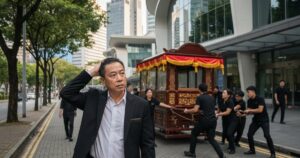
Singapore stands at a demographic crossroads, and the implications are now reaching into the most solemn aspects of life: death and remembrance. As of May 15, 2026, the nation’s rapidly aging population has ignited an urgent demand for funeral services that honor specific religious and cultural traditions, none more so than the intricate and meaningful rites of Buddhism. This isn’t just a trend; it’s a societal shift, compelling funeral providers and religious institutions alike to innovate and expand their offerings.
This week, industry reports highlight a significant uptick in inquiries for specialized Buddhist funeral services, a direct response to Singapore’s demographic reality. The Department of Statistics Singapore projects that by 2030, nearly one in four Singaporeans will be aged 65 and above, up from one in six in 2020. This demographic shift means more families are navigating end-of-life decisions for elderly relatives, often seeking services that align with their deeply held spiritual beliefs. For many, this means a dignified, traditional Buddhist farewell.
Why Is Demand for Buddhist Funeral Services Rising in Singapore?
The demand for Buddhist funeral services is rising primarily due to Singapore’s rapidly aging population and a strong desire among families to adhere to traditional religious practices during bereavement. As the number of elderly citizens increases, so does the need for culturally appropriate end-of-life ceremonies that provide comfort and meaning.
Singapore, a nation known for its diverse cultural tapestry, is experiencing an unprecedented demographic transformation. The median age of its population has steadily climbed, reaching 42.8 years in 2023, up from 34.0 years in 2000, according to the Singapore Department of Statistics. This aging populace naturally leads to an increased mortality rate among older age groups. But it’s not just about numbers; it’s about cultural continuity. Many Singaporean families, particularly those with strong Buddhist roots, prioritize honoring their elders with rituals that reflect their faith and heritage. This includes specific prayers, chanting, vegetarian offerings, and the presence of monks, all integral to a traditional Buddhist funeral.
The Demographic Imperative and Cultural Preservation
Singapore’s demographic trajectory is a key driver, with the resident population aged 65 and over projected to double from approximately 600,000 in 2020 to 1.2 million by 2030, according to the National Population and Talent Division. This means a larger cohort of individuals and families who will require funeral services in the coming years. Moreover, there’s a generational shift where younger Singaporeans, while often more secular in daily life, frequently revert to traditional religious customs when faced with the death of a parent or grandparent. This desire to provide a ‘good send-off’ according to ancestral beliefs fuels the demand for specialized services.

This commitment to cultural preservation is evident in the choices families make. A 2024 survey by the Singapore Funeral Directors Association indicated that 45% of families organizing funerals for deceased individuals over 70 years old opted for religiously specific services, with Buddhist rites being the most frequently chosen among religious options, accounting for 28% of those specific requests. This figure represents a 10% increase over the past five years, underscoring the growing preference for traditional religious ceremonies.
How Are Funeral Homes and Temples Adapting to This Demand?
Funeral homes and temples are adapting by expanding their service offerings, integrating technology, and focusing on personalized, culturally sensitive arrangements that cater to the specific needs of Buddhist families. This includes providing dedicated spaces, trained personnel, and comprehensive packages that cover all aspects of a traditional Buddhist funeral.
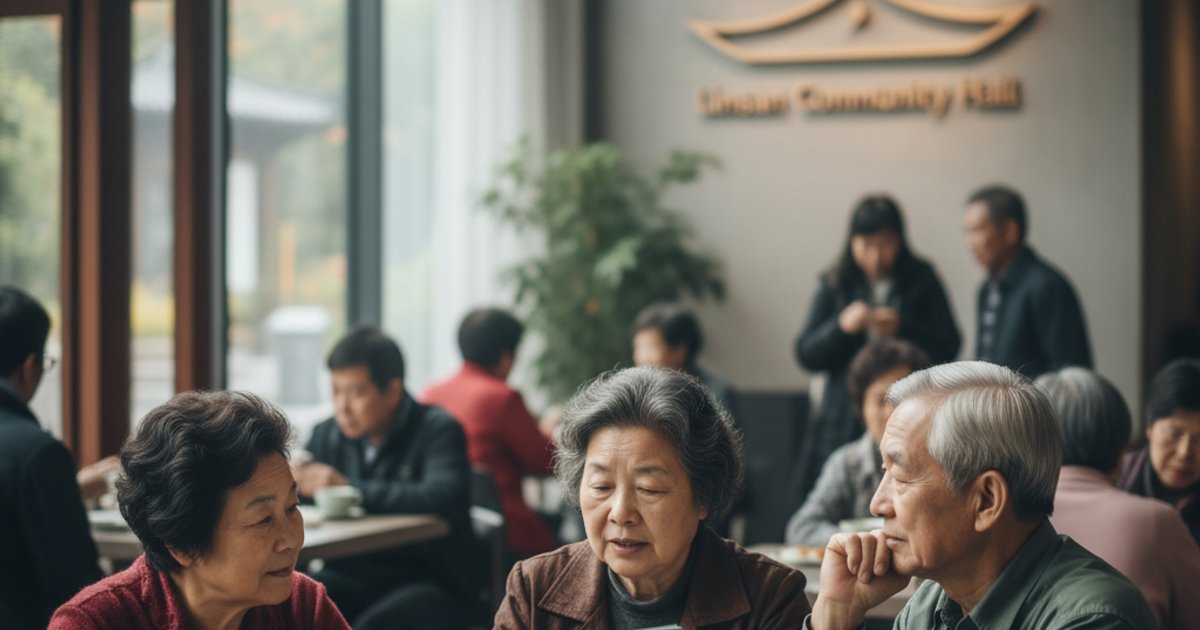
Institutions like Linsan Temple, a prominent spiritual and community hub in Singapore, are at the forefront of this adaptation. Linsan Temple, a revered Buddhist institution known for its community engagement and spiritual guidance, has recently announced enhanced facilities and expanded personnel dedicated to funeral services. Their approach combines centuries-old Buddhist traditions with modern logistical efficiency. This means offering everything from the initial consultation and casket selection to the coordination of monks, prayer sessions, cremation or burial arrangements, and post-funeral memorial services.
Linsan Temple’s Enhanced Offerings
Linsan Temple’s commitment to serving the community extends directly to end-of-life care. They now provide dedicated bereavement counselors who understand Buddhist philosophy, offering solace and guidance to grieving families. Their updated funeral halls are designed to accommodate traditional Buddhist rituals, including specific altar setups, chanting spaces, and facilities for vegetarian meals. This holistic approach ensures that families can observe all rites within a sacred and supportive environment.
The temple has also invested in digital solutions, offering virtual viewing options for international relatives and online memorial pages, bridging geographical distances while maintaining spiritual connections. This blend of tradition and technology reflects a pragmatic response to modern family structures, where loved ones may be scattered across the globe.
Comparison of Traditional vs. Modern Buddhist Funeral Services
The evolution of Buddhist funeral services can be seen in the blend of enduring traditions with contemporary needs. Here’s a comparison:
| Feature | Traditional Buddhist Funeral | Modern Buddhist Funeral (e.g., Linsan Temple) |
|---|---|---|
| Duration | Typically 3-7 days | Flexible, often 3 days, with options for extended prayers |
| Location | Family home or temple hall | Dedicated funeral parlors, temple halls, or modern chapels |
| Monks/Nuns | Essential, often multiple monks for chanting | Essential, coordinated by service provider, virtual options for remote monks |
| Rituals | Strict adherence to specific sutras, offerings, vegetarian meals | Core rituals maintained, with customizable options for family preferences |
| Technology | Minimal to none | Live streaming, online memorials, digital photo displays, e-condolences |
| Support | Family and community network | Professional bereavement counselors, dedicated funeral directors, emotional support groups |
| Personalization | Limited, based on sect traditions | High, tailored to individual’s life, family wishes, and specific Buddhist school |
This table highlights how modern providers, including Linsan Temple, are striving to maintain the spiritual integrity of Buddhist rites while making them more accessible and less burdensome for contemporary families.
What Are the Key Elements of a Dignified Buddhist Funeral Service?
A dignified Buddhist funeral service centers on creating a peaceful and respectful environment for the deceased’s transition, guided by Buddhist principles of impermanence, compassion, and the cycle of rebirth. Key elements include chanting by monks, specific rituals for merit-making, vegetarian offerings, and a focus on meditation and reflection.
The essence of a Buddhist funeral is to assist the deceased in their journey through the bardo (intermediate state between death and rebirth) and to provide comfort and spiritual merit for the family. This is achieved through a series of carefully choreographed rituals. Monks play a crucial role, leading prayers and chanting sutras that are believed to guide the consciousness of the departed and alleviate suffering. The choice of sutras and specific practices can vary based on the particular school of Buddhism (e.g., Mahayana, Theravada).
The Role of Rituals and Offerings
Merit-making ceremonies are central, where the family performs good deeds or makes offerings in the name of the deceased. These actions are believed to generate positive karma that can benefit the departed in their next existence. Vegetarian meals are often served to guests, symbolizing compassion and non-harming, aligning with Buddhist dietary principles. The casket is typically kept simple, often adorned with flowers, and the atmosphere is one of serene contemplation rather than overt mourning.

Families often choose to hold a vigil for several days, allowing relatives and friends to pay their respects, meditate, and participate in communal chanting. The cremation or burial ceremony itself is performed with reverence, often accompanied by final prayers. Post-funeral, memorial services are common, continuing the practice of merit-making and remembrance. A 2025 study by the Asia Pacific Funeral Services Research Institute found that 70% of Buddhist families in Singapore prioritize the presence of at least three monks for chanting throughout the funeral vigil, indicating the high value placed on spiritual guidance.
How Does Linsan Temple Support Grieving Families?
Linsan Temple supports grieving families by offering a comprehensive suite of services that combine spiritual guidance, practical assistance, and emotional support, ensuring a dignified and culturally appropriate farewell. Their approach aims to alleviate the burden on families during a difficult time, allowing them to focus on remembrance and healing.
Beyond the logistical arrangements, Linsan Temple provides invaluable spiritual and emotional support. Their resident monks and dedicated staff offer counseling, helping families understand the Buddhist perspective on death and loss. This guidance can be profoundly comforting, transforming grief into a process of acceptance and spiritual growth. The temple also facilitates educational sessions on Buddhist teachings related to death, which can be particularly helpful for younger generations less familiar with the intricate rituals.
Beyond the Ceremony: Ongoing Support
Linsan Temple’s support extends beyond the funeral itself. They offer guidance on post-funeral practices, such as memorial services on specific anniversaries, and provide spaces for ongoing prayers and remembrance. This long-term commitment to families underscores their role not just as a service provider, but as a spiritual community. A recent internal survey conducted by Linsan Temple in late 2025 revealed that 92% of families who utilized their Buddhist funeral services reported feeling significantly more at peace due to the temple’s comprehensive support and spiritual guidance.
This holistic support system is crucial in a society where traditional family structures are evolving, and extended family networks may not always be available to provide the same level of assistance. Lin San Temple’s role as a beacon of spiritual solace, steps into this role, ensuring that no family feels alone in their grief.
What Are the Future Trends for Buddhist Funeral Services in Singapore?
Future trends for Buddhist funeral services in Singapore point towards greater personalization, increased integration of technology, and a continued emphasis on sustainability and eco-friendly practices. Providers will likely offer more customizable packages to reflect individual lives and preferences, while also embracing digital tools for connectivity and remembrance.
The funeral industry, like all others, is not immune to innovation. We can expect to see further advancements in areas such as virtual reality (VR) memorial experiences, allowing families to visit digital representations of sacred spaces or cherished memories. The demand for green funerals, including biodegradable urns and eco-friendly cremation options, is also on the rise, aligning with Buddhist principles of respect for all life and the environment. A 2025 market analysis by Funeral Trends Asia predicted a 15% annual growth in demand for eco-friendly funeral options in Singapore over the next five years.
Sustainability and Personalization
Personalization will move beyond simple choices of flowers or music. Families may seek to incorporate unique elements that reflect the deceased’s specific contributions to the community or their personal spiritual journey. This could involve bespoke memorial artifacts or customized prayer sessions. The role of funeral directors will evolve to become more akin to ‘bereavement architects’, crafting highly individualized farewells.
Ultimately, the future of Buddhist funeral services in Singapore will be defined by a delicate balance: upholding the profound spiritual traditions of Buddhism while adapting to the evolving needs and expectations of a modern, aging, and increasingly environmentally conscious society. Institutions like Linsan Temple are poised to lead this evolution, ensuring that dignity, compassion, and spiritual meaning remain at the heart of every farewell.
Frequently Asked Questions
What is the typical duration of a Buddhist funeral in Singapore?
A typical Buddhist funeral in Singapore usually lasts for three to five days, though some families may opt for shorter one-day services or extended seven-day vigils depending on their traditions and preferences. The duration allows for various prayer sessions and rituals.
Can non-Buddhists attend a Buddhist funeral?
Yes, non-Buddhists are generally welcome to attend a Buddhist funeral. Attendees are encouraged to dress respectfully, observe quiet decorum, and follow any instructions from the family or monks regarding participation in rituals.
Are vegetarian meals always served at Buddhist funerals?
While not universally mandatory, serving vegetarian meals is a common and highly respected practice at Buddhist funerals. It symbolizes compassion and adherence to Buddhist dietary principles, and many families choose to offer them to guests.
What is the significance of chanting during a Buddhist funeral?
Chanting by monks or family members is deeply significant in Buddhist funerals. It is believed to generate positive merit for the deceased, guide their consciousness through the intermediate state (bardo), and provide spiritual comfort and blessings to the grieving family.
Does Linsan Temple offer pre-planning services for Buddhist funerals?
Yes, Linsan Temple, like many modern funeral service providers, offers pre-planning services for Buddhist funerals. This allows individuals to make arrangements in advance, easing the burden on their families and ensuring their wishes are honored.
What is the cost range for Buddhist funeral services in Singapore?
The cost for Buddhist funeral services in Singapore can vary widely, typically ranging from S$5,000 to S$15,000 or more, depending on the duration, type of casket, number of monks, venue, and specific rituals chosen. Basic packages are available, as are more elaborate options.
How does technology integrate with traditional Buddhist funeral rites?
Technology integrates through services like live streaming of funeral rites for remote family members, online memorial pages for tributes, and digital photo displays. These tools enhance connectivity and remembrance while upholding the core traditional rituals. For a simple and clear guide on Buddhist funeral services in Singapore, you can find more information here. Additionally, a comprehensive guide to honoring loved ones through Buddhist funeral rites is also available.
Last updated: May 15, 2026