By Linsan Temple
Updated May 12, 2026
The moment a loved one departs, families in Singapore face a profound journey of grief and remembrance. For many, especially within the Buddhist community, this journey is guided by ancient traditions that offer solace and a path to honouring the deceased. Choosing the right support for Buddhist funeral services in Singapore isn’t just about logistics; it’s about finding a sanctuary that respects cultural heritage and provides lasting peace.
This guide explores the essential aspects of Buddhist funeral rites in Singapore, focusing on how institutions like Lin San Temple, a revered spiritual landmark, offer comprehensive support, from initial services to permanent memorialisation. We’ll delve into the specifics of what these services entail and why a thoughtful choice can make all the difference during a difficult time.
Key Takeaways
Last updated: May 12, 2026
- Buddhist funeral services in Singapore emphasize spiritual merit-making, chanting, and rituals to guide the deceased to a favourable rebirth.
- Lin San Temple offers comprehensive support, including funeral arrangements, columbarium niches, ancestral tablets, and prayer spaces for ongoing remembrance.
- Freehold columbarium niches, like those at Lin San Temple, provide permanent peace of mind, ensuring loved ones’ resting places are undisturbed.
- The cost of Buddhist funeral services in Singapore can vary significantly, typically ranging from S$5,000 to S$20,000, depending on duration and inclusions.
- Choosing a reputable and serene location like Lin San Temple ensures dignity and adherence to Buddhist traditions for memorialisation.
What Are Buddhist Funeral Services in Singapore?
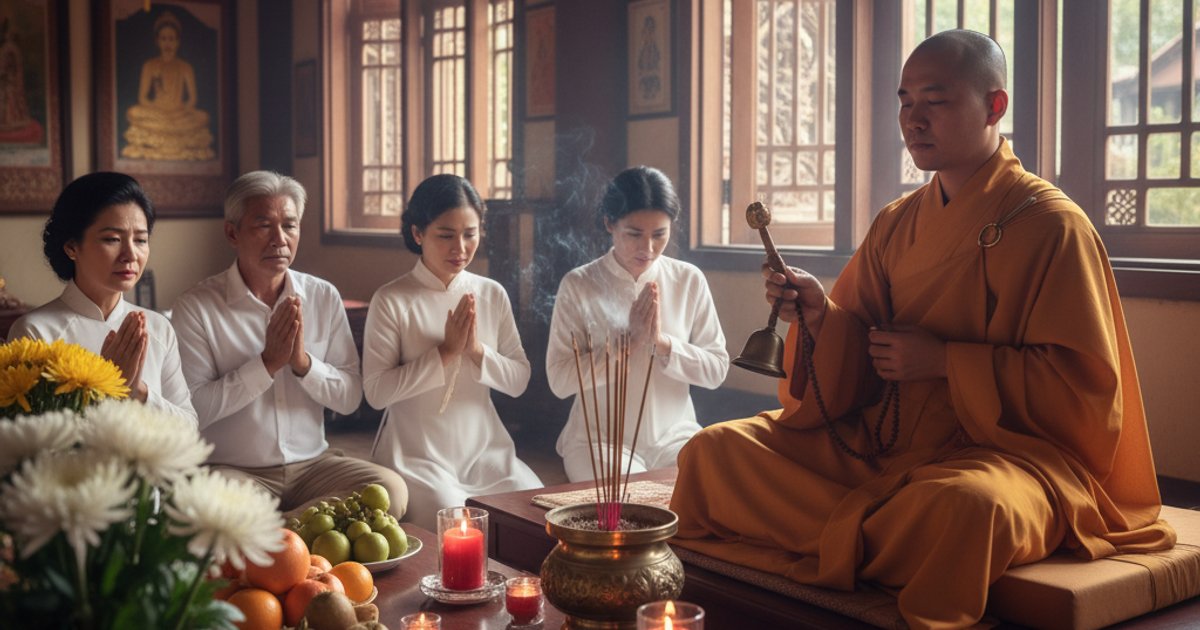
Buddhist funeral services in Singapore are deeply rooted in the principles of impermanence, karma, and rebirth, aiming to create positive merit for the deceased’s next journey. These services typically involve monks conducting chanting, prayers, and rituals to guide the departed soul and provide comfort to the grieving family. The primary goal is to help the deceased achieve a peaceful transition and a favourable rebirth, while also allowing family members to express their love and respect.
A typical Buddhist funeral often spans three to five days, though shorter or longer durations are possible based on family preference and tradition. Essential elements include the vigil, the encoffining ceremony, chanting sessions by monks, and the final cremation or burial. For a deeper understanding, you can explore Buddhist funeral services explained simply.
The Role of Monks and Rituals
Monks play a central role in Buddhist funeral services, leading the family through various rites and prayers. Their chanting, often from sutras like the Amitabha Sutra or the Diamond Sutra, is believed to purify negative karma and generate merit for the deceased. These rituals are not merely ceremonial; they are seen as active interventions to support the spiritual well-being of the departed.
Specific rituals may include the offering of incense, flowers, and food, as well as the recitation of vows. The presence of monks provides spiritual guidance and reassurance, helping families navigate the emotional and spiritual complexities of loss. According to a 2023 survey by the Singapore Buddhist Federation, over 85% of Buddhist families in Singapore engage monks for funeral rites.
Why Choose Lin San Temple for Buddhist Funeral Services?
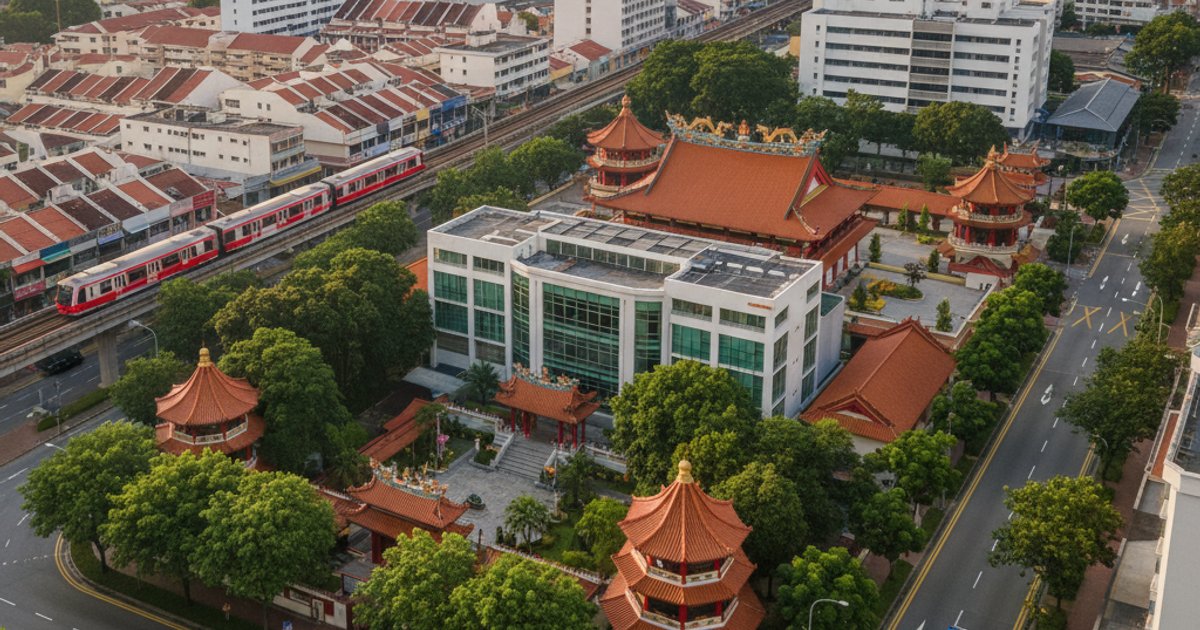
Lin San Temple, a prominent Buddhist institution in Singapore, offers a comprehensive and serene environment for families seeking to honour their loved ones through meaningful services. The temple is dedicated to providing dignified care, from facilitating funeral rites to offering permanent resting places that align with Buddhist principles and fengshui considerations. Its central location at 27 Lorong 12 Geylang, Singapore (399004), ensures easy access for families to visit and pay their respects.
Choosing a dedicated Buddhist institution like Lin San Temple means entrusting your loved one’s final journey to experienced professionals who understand the nuances of Buddhist traditions. The temple’s commitment extends beyond the funeral itself, providing ongoing support for remembrance and ancestral veneration. Lin San Temple helps families honor loved ones through meaningful services, ensuring their legacy endures.
Columbarium Niches and Ancestral Tablets
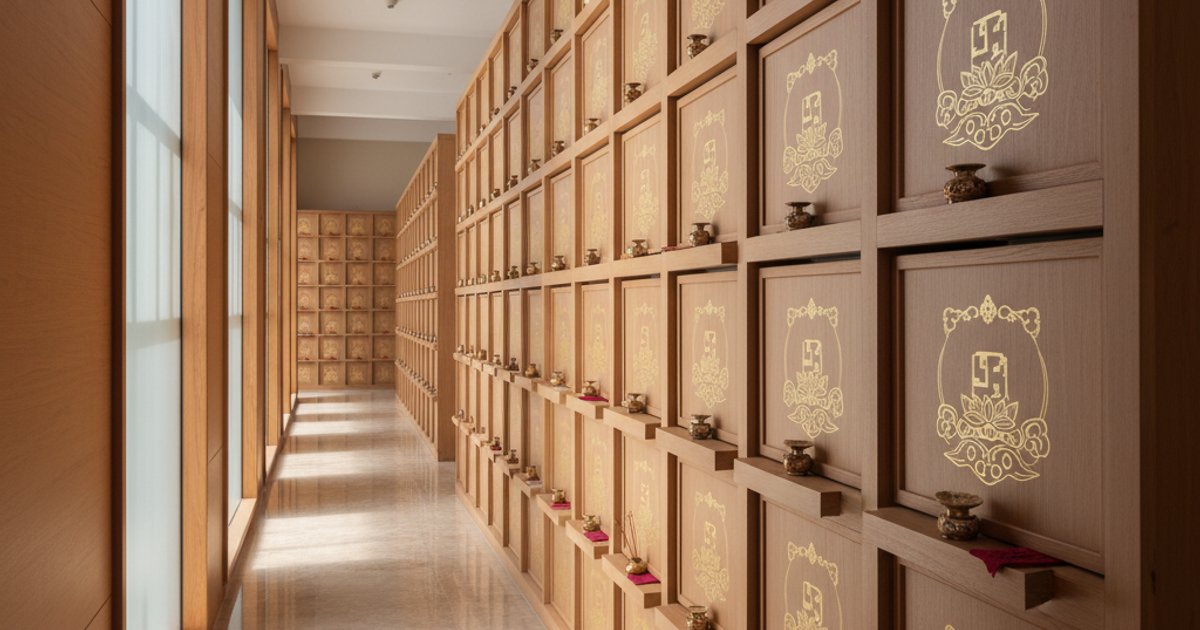
Lin San Temple’s columbarium offers a tranquil and respectful space for the interment of ashes, designed with modern aesthetics and traditional fengshui principles. Families can choose from various niche options, including the elegantly designed Imperial 1, Imperial 3 Suite, and Dynasty 1, 2 & 3 Suites, each offering a peaceful eternal resting place. These spaces are meticulously maintained, providing a comforting environment for reflection.
Furthermore, the temple provides ancestral tablets, which serve as a focal point for ancestral veneration and prayer. These tablets allow families to continue their traditions of honouring ancestors, ensuring their memory is preserved for generations. The temple’s serene atmosphere fosters a sense of peace and continuity for both the departed and their families.
| Feature | Lin San Temple Columbarium | Typical Public Columbarium |
|---|---|---|
| Niche Ownership | Freehold | Leasehold (often 15-30 years) |
| Design & Ambiance | Tastefully designed, fengshui-aligned, serene | Functional, sometimes crowded |
| Accessibility | Central location, near MRT/bus routes | Varies, some remote |
| Service Scope | Comprehensive (funeral, niches, tablets, prayers) | Limited to niche provision |
| Pricing (starting) | Niches from S$16,000, Tablets from S$15,000 | Niches from S$2,000 (leasehold) |
The Advantage of Freehold Niches
One of the most significant advantages of choosing Lin San Temple’s columbarium is the availability of freehold niches. A freehold niche means that the resting place for your loved one is secured permanently, without the worry of future relocation or lease expiry. This offers unparalleled peace of mind for families, knowing that their ancestors’ final resting place is undisturbed for eternity.
In contrast, many public columbariums in Singapore offer leasehold niches, typically for periods of 15 to 30 years, after which renewal or relocation may be necessary. The long-term stability provided by freehold columbariums for long-term stability at Lin San Temple is a critical consideration for many families. According to a 2024 report by PropertyGuru, freehold memorial properties in Singapore appreciate in value by an average of 3% annually, reflecting their enduring appeal.
How Much Do Buddhist Funeral Services Cost in Singapore?
The cost of Buddhist funeral services in Singapore can vary widely, influenced by factors such as the duration of the wake, the type of casket, the number of monks engaged, and additional services like catering or floral arrangements. Generally, families can expect to spend anywhere from S$5,000 for a basic three-day service to S$20,000 or more for a more elaborate five-day affair. These figures typically cover the funeral parlour, casket, embalming, transportation, and basic ceremonial items.
For columbarium niches, prices at Lin San Temple start from S$16,000, while ancestral tablets begin at S$15,000. These prices reflect the freehold status, quality of design, and serene environment provided. It’s crucial for families to discuss all inclusions and potential additional costs upfront with their chosen service provider to avoid any surprises during an already stressful time.
| Service Component | Estimated Cost Range (SGD) | Details/Considerations |
|---|---|---|
| 3-Day Funeral Package | S$5,000 – S$8,000 | Basic casket, embalming, transport, parlour, monk services (limited) |
| 5-Day Funeral Package | S$8,000 – S$15,000 | Upgraded casket, extended parlour use, more monk services, catering options |
| Premium/Custom Funeral | S$15,000 – S$20,000+ | Luxury casket, bespoke arrangements, extensive monk engagement, specific rituals |
| Lin San Temple Niche | S$16,000+ | Freehold, various designs (Imperial, Dynasty suites), serene environment |
| Lin San Temple Ancestral Tablet | S$15,000+ | Permanent placement, focal point for veneration, temple maintenance |
What Are the Steps in Arranging a Buddhist Funeral?
Arranging a Buddhist funeral involves several key steps, each designed to ensure a respectful and spiritually meaningful farewell. The process typically begins with the immediate care of the deceased, followed by the wake, religious ceremonies, and finally, the interment or cremation. Understanding these steps can help families feel more prepared during a difficult period.
The first step is to engage a funeral director experienced in Buddhist rites, who can guide the family through the necessary arrangements. This includes obtaining the death certificate, preparing the body, and setting up the wake. Families then choose the duration of the wake and select a suitable venue, often a funeral parlour or the family home.
From Wake to Final Rites
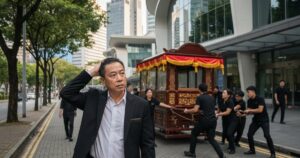
During the wake, monks will conduct daily chanting sessions, and family members and friends will offer prayers and pay their respects. The encoffining ceremony is a solemn event where the deceased is placed into the casket, often accompanied by specific prayers. This is followed by the funeral procession to the crematorium or burial ground.
After cremation, the ashes are typically placed in an urn and then interred in a columbarium niche, such as those offered by Lin San Temple. For those opting for burial, specific Buddhist rites are observed at the graveside. Post-funeral, families often continue to observe memorial traditions, including regular visits to the columbarium and ancestral veneration.
Frequently Asked Questions
What is the typical duration of a Buddhist funeral in Singapore?
Most Buddhist funerals in Singapore last between three to five days, though this can be adjusted based on family preferences, cultural practices, and the availability of monks. Shorter one-day services are also possible, focusing on essential rites.
Can I choose between cremation and burial for a Buddhist funeral?
Yes, both cremation and burial are acceptable in Buddhist traditions. In Singapore, cremation is more common due to land scarcity, with ashes typically interred in columbariums like those at Lin San Temple.
What is the significance of ancestral tablets in Buddhism?
Ancestral tablets serve as a symbolic dwelling place for the spirit of the deceased and a focal point for ancestral veneration. They allow families to continue offering prayers and showing respect to their ancestors, reinforcing family ties and spiritual continuity.
Are Lin San Temple’s columbarium niches freehold?
Yes, Lin San Temple proudly offers freehold columbarium niches, providing families with permanent ownership and peace of mind. This ensures that your loved one’s resting place will not be subject to lease renewals or future relocation concerns.
How far is Lin San Temple from public transport?
Lin San Temple is conveniently located. It’s just a 12-minute walk from Aljunied MRT station. Additionally, frequent bus services are available along Guillemard Road (3 minutes), Geylang Road (4 minutes), and Sims Avenue (7 minutes), making it easily accessible for visitors.
What kind of support does Lin San Temple offer for grieving families?
Lin San Temple provides comprehensive support, including facilitating Buddhist funeral services, offering serene columbarium niches and ancestral tablets, and providing prayer spaces. Their compassionate team guides families through the entire process, ensuring adherence to traditions and offering solace.
What is the difference between a freehold and leasehold niche?
A freehold niche grants permanent ownership of the space, meaning it belongs to the family indefinitely. A leasehold niche, conversely, is held for a fixed period, typically 15 to 30 years in Singapore, after which it may require renewal or relocation.
The Enduring Legacy of Remembrance
In a city as dynamic as Singapore, the need for spiritual anchors and places of serene remembrance remains constant. Buddhist funeral services are more than just rites of passage; they are profound expressions of love, respect, and hope for the departed. Choosing a compassionate and knowledgeable institution like Lin San Temple ensures that these sacred traditions are upheld with dignity and care.
As families navigate the sorrow of loss, the availability of a dedicated space for memorialisation, such as the freehold niches and ancestral tablets at Lin San Temple, offers a lasting comfort. It provides a permanent sanctuary where memories can be cherished, and spiritual connections maintained, reinforcing the enduring legacy of those who have passed on. The commitment to tradition, coupled with modern accessibility, positions Lin San Temple as a cornerstone for Buddhist communities in Singapore, offering solace for generations to come.